Angel Williams, Media Manager – KEPO Cambodia
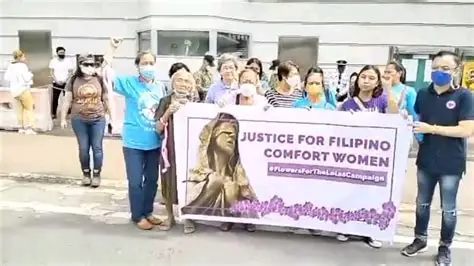
Manila, Philippines — In 2019, the United Nations Human Rights Committee (UNHRC) issued a landmark decision holding the Philippine government accountable for failing to protect and remedy the rights of Filipina “comfort women” — survivors of sexual slavery under the Japanese Imperial Army during World War II. Yet, as the COVID-19 pandemic gripped the world only months later, the ruling faded from public attention, its recommendations left unimplemented and its promise of justice unfulfilled.
The case, brought before the UNHRC in Geneva in 2014 by CenterLaw Philippines through Atty. Harry L. Roque Jr. and his colleagues, argued that the Philippine state had violated its obligations under the International Covenant on Civil and Political Rights (ICCPR). The petition charged the government with neglecting the survivors’ rights to an effective remedy, equality, and dignity — three pillars of international human rights law.
CenterLaw asserted that the government failed to investigate the women’s claims adequately, seek reparations from Japan, or give official recognition to the victims’ suffering. This inaction, the petition noted, amounted to a “continuing denial of justice.” It also argued that the state’s indifference discriminated against the victims on the basis of gender, as the women were denied the same recognition and protection afforded to male war veterans. Moreover, the prolonged silence and lack of acknowledgment perpetuated the survivors’ emotional distress, violating their right to dignity and freedom from cruel and degrading treatment.
In its 2019 decision, the UNHRC affirmed these claims, ruling that the Philippine government had failed to uphold its duties under the ICCPR. The Committee urged the state to take concrete action: offer full reparations, issue a public apology, and establish educational and memorial programs to preserve the memory of the atrocities and prevent their recurrence.
The ruling was hailed as a moral and symbolic victory for the aging comfort women, whose movement has long embodied the fight for gender justice and accountability for wartime sexual violence. However, the onset of the global COVID-19 pandemic in early 2020 swept the issue from headlines and policy agendas alike. With the nation preoccupied by public health crises and economic recovery, the UNHRC’s recommendations were neither acted upon nor revisited.
Five years later, the decision remains largely forgotten — a casualty of the pandemic’s global disruption. For the surviving comfort women, justice once again lingers out of reach, overshadowed by history’s shifting tides and the state’s enduring silence.