
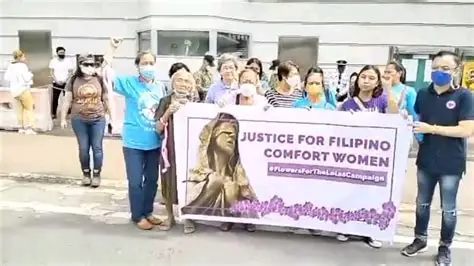
Angel Williams (KEPO) MANILA, Philippines —Over a quiet lunch in the heart of Manila, Sharon Cabusao-Silva, current Executive Director and coordinator of Lila Pilipina, spoke softly but with conviction about the challenges of leading an aging movement into the future. Her task is a solemn one: to ensure that the voices of the Lolas—the Filipina survivors of wartime sexual slavery under Japanese occupation—are never silenced or forgotten.
Guiding a Movement Through Transition
Cabusao-Silva took on the leadership of Lila Pilipina in 2018, at a critical time when many of the original Lolas were passing away. Under her stewardship, the organization has evolved from a survivor-led association into one sustained by advocates, descendants, and allies who continue to uphold its legacy of justice and remembrance.
Preserving Memory as Justice
Central to Cabusao-Silva’s work is the documentation and preservation of the Lolas’ testimonies. She emphasizes that “memorization” itself is a form of justice—a way of resisting historical erasure. Through storytelling projects, public exhibits, and community education efforts, Lila Pilipina ensures that the memory of wartime sexual violence remains alive within the Filipino consciousness, inspiring continued reflection across generations.
Expanding the Fight for Justice
In recent years, Lila Pilipina’s advocacy has deepened beyond demands for historical reparations. Cabusao-Silva has spoken out against defense and security alliances between Japan and the Philippines that, in her view, disregard the appeals of the Lolas for accountability. Such advocacy connects past injustices with contemporary struggles for peace, sovereignty, and gender justice.
Inspiring a New Generation
A growing part of the movement’s challenge lies in connecting with younger Filipinos, many of whom are now generations removed from the events of the Second World War. For Cabusao-Silva, the issue is far from being only historical—it’s about opposing current wars of aggression and affirming human dignity in all forms of resistance.
She reminds the youth that to remember the Lolas is to recognize the persistence of injustice—and to act against it.
Upholding a Legacy of Resistance
Before leading Lila Pilipina, Cabusao-Silva worked as a speechwriter for Nelia Sancho, the feminist pioneer and co-founder of the organization. Sancho’s lifelong activism—spanning her years as a political detainee under Ferdinand Marcos Sr.’s Martial Law regime to her leadership in founding the women’s alliance GABRIELA—continues to energize the movement.
It was Sancho’s encounter with Korean “comfort women” advocates in the early 1990s that helped spark Filipina survivors to come forward and speak openly for the first time. Her courage ignited what became known as the “breaking the wall of silence”—a moment that fundamentally changed how wartime sexual violence was discussed in the Philippines.
Continuing the Struggle
Today, Lila Pilipina persists in demanding an official apology and reparations from the Japanese government. But perhaps its greatest achievement is moral: to confront decades of denial and silence, and to affirm the unwavering dignity of the survivors.
Sustaining the organization remains a continuous challenge. “The Lolas are dying, funding is scarce, and the world moves on,” Cabusao-Silva reflects. Yet her determination remains steady—to honor their stories, to pass forward their wisdom, and to keep alive the legacy of Nelia Sancho, who always chose activism over comfort.
A Call to Remember and Support
Lila Pilipina continues to operate from 120-A Narra Street, Amihan, Quezon City, where its team documents survivor narratives and engages with advocates and students.
While supporters occasionally assist through volunteer work and community collaboration, Lila Pilipina has never received government funding and has relied through the decades on the support of sympathetic Japanese, South Korean and Filipino citizens.
Toward a Lasting Memorial
Although preserving Bahay na Pula in Bulacan remains a cause for many heritage advocates, Lila Pilipina is not at the forefront of that particular effort.
Remembering as Resistance
As our lunch came to an end, Cabusao-Silva’s quiet strength lingered—a reminder that remembrance itself is a political act. Through her work, the Lolas’ fight continues, not only as a story of the past but as an enduring call for justice, peace, and historical truth.